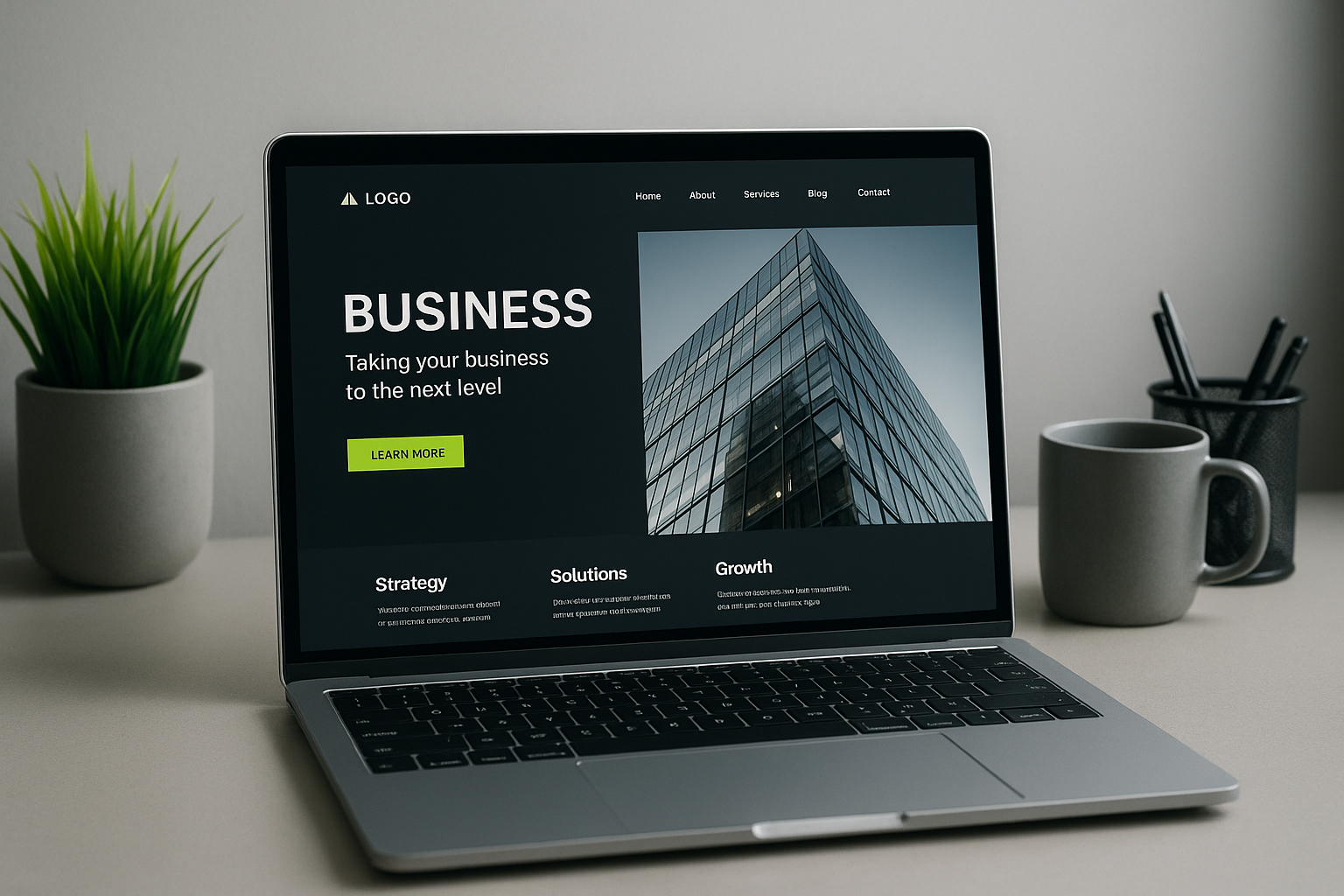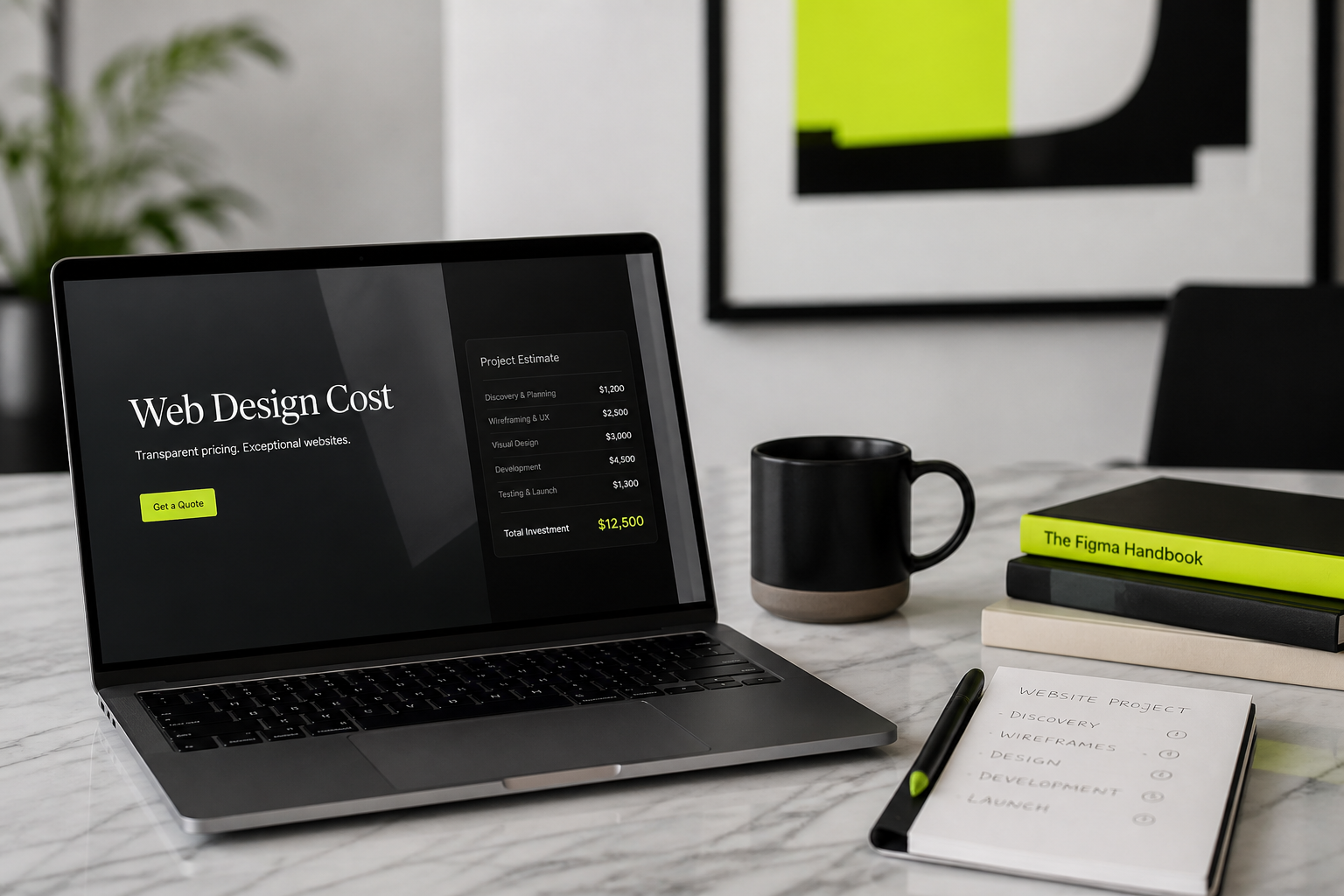
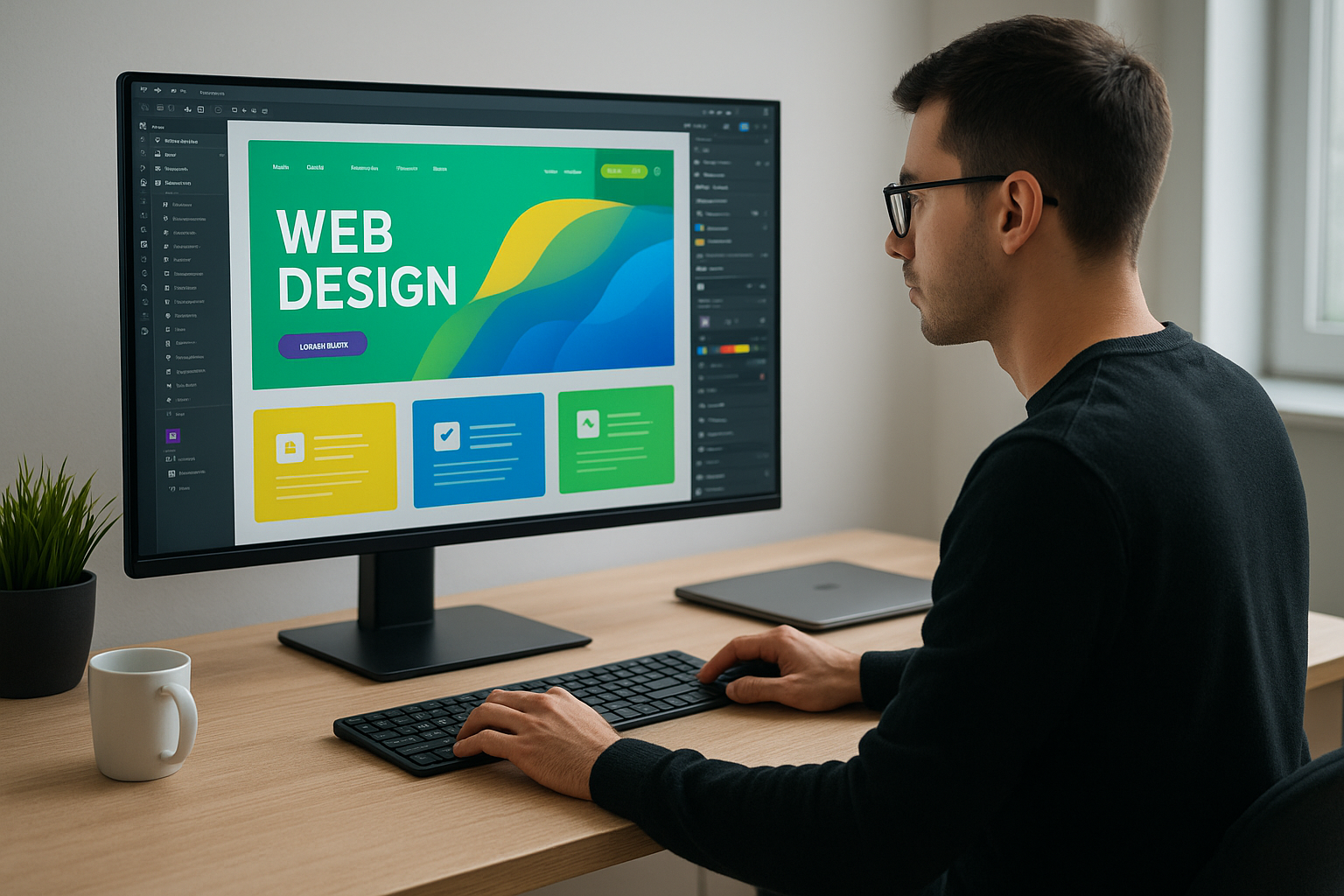
Top Website Design Trends Shaping 2023 and Beyond
In the fast-evolving world of web design, understanding current website design trends is crucial for creating engaging and functional sites. As user expectations rise, designers must integrate modern aesthetics and technologies while ensuring an intuitive user experience. This article explores the key trends shaping website design in 2023 and how they can influence your project.
Introduction to Website Design Trends
Staying updated on website design trends is essential for any designer or business aiming to create an impactful online presence. In 2023, trends revolve around user-centric designs, integrating modern technologies, and emphasizing efficient aesthetics.
The Importance of Responsive Design
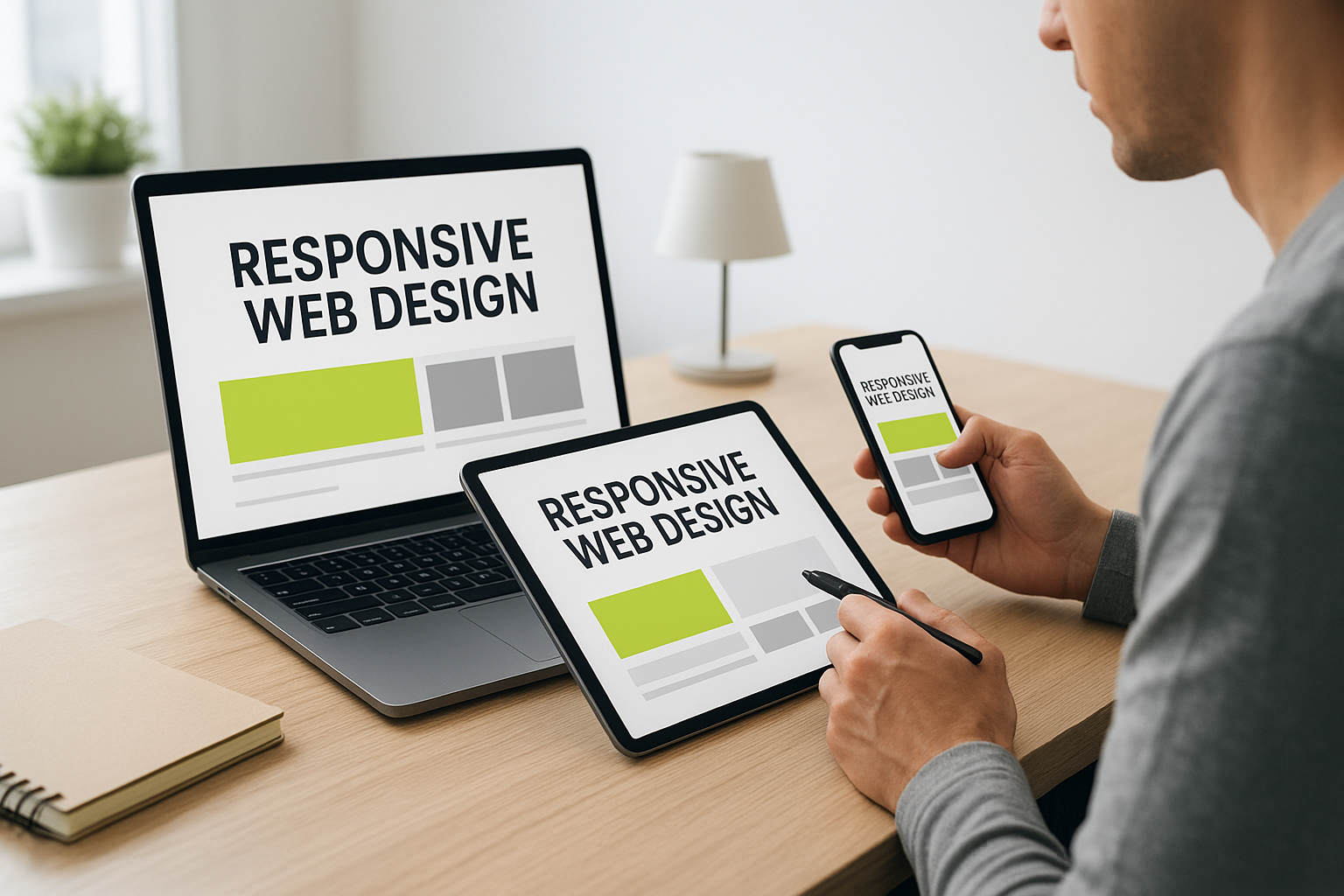
Responsive web design is no longer optional. With mobile devices accounting for over 50% of global internet traffic, ensuring that websites function smoothly across all devices is paramount. A responsive website improves user experience and SEO rankings, helping businesses connect effectively with their audience.
Key Features of Responsive Design
- Fluid Grids: Adjusting layouts based on screen size enhances usability.
- Adaptive Images: Images that resize and optimize for speed.
- Media Queries: Styling elements based on the device used to view the site.
Current Color Trends in Web Design
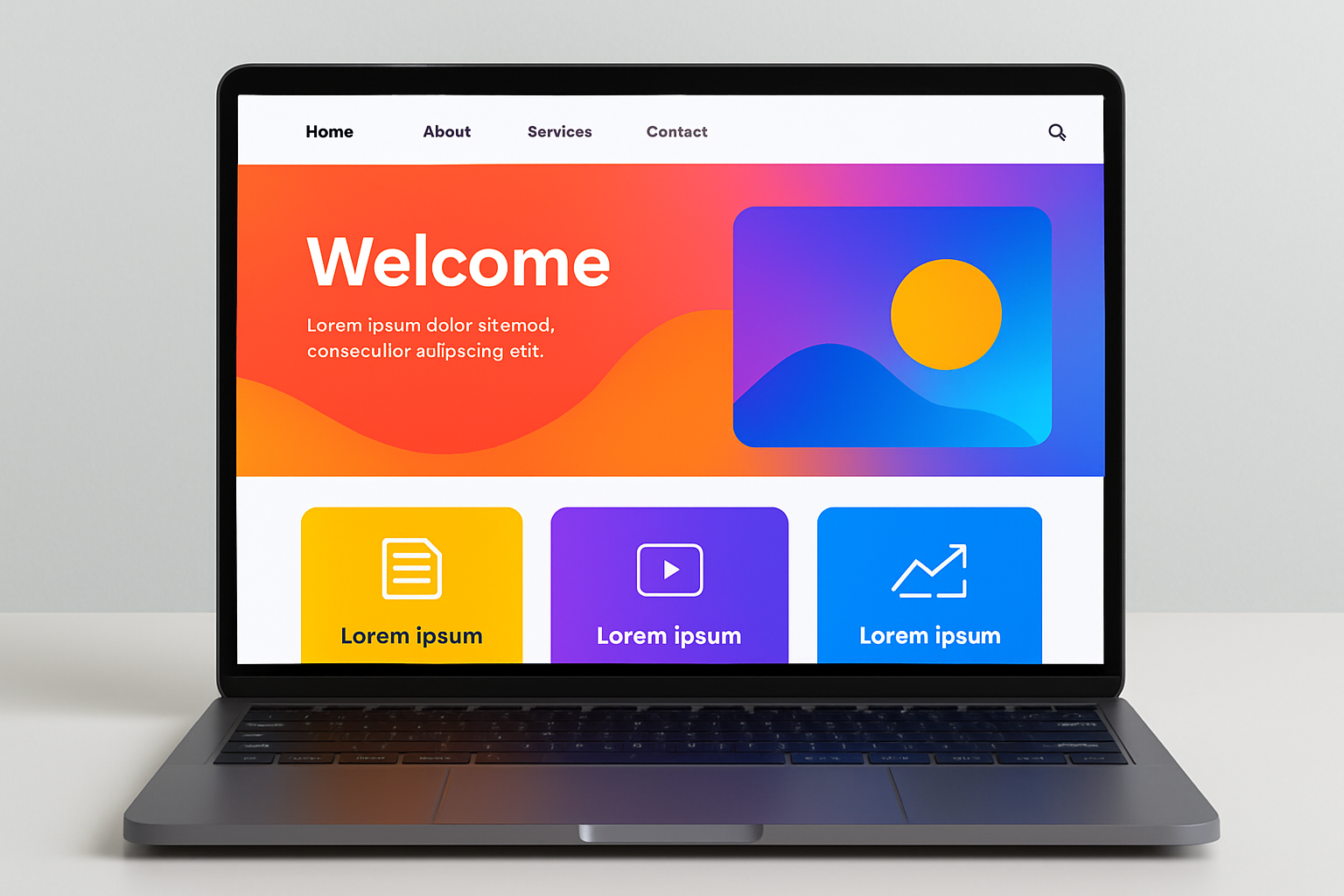
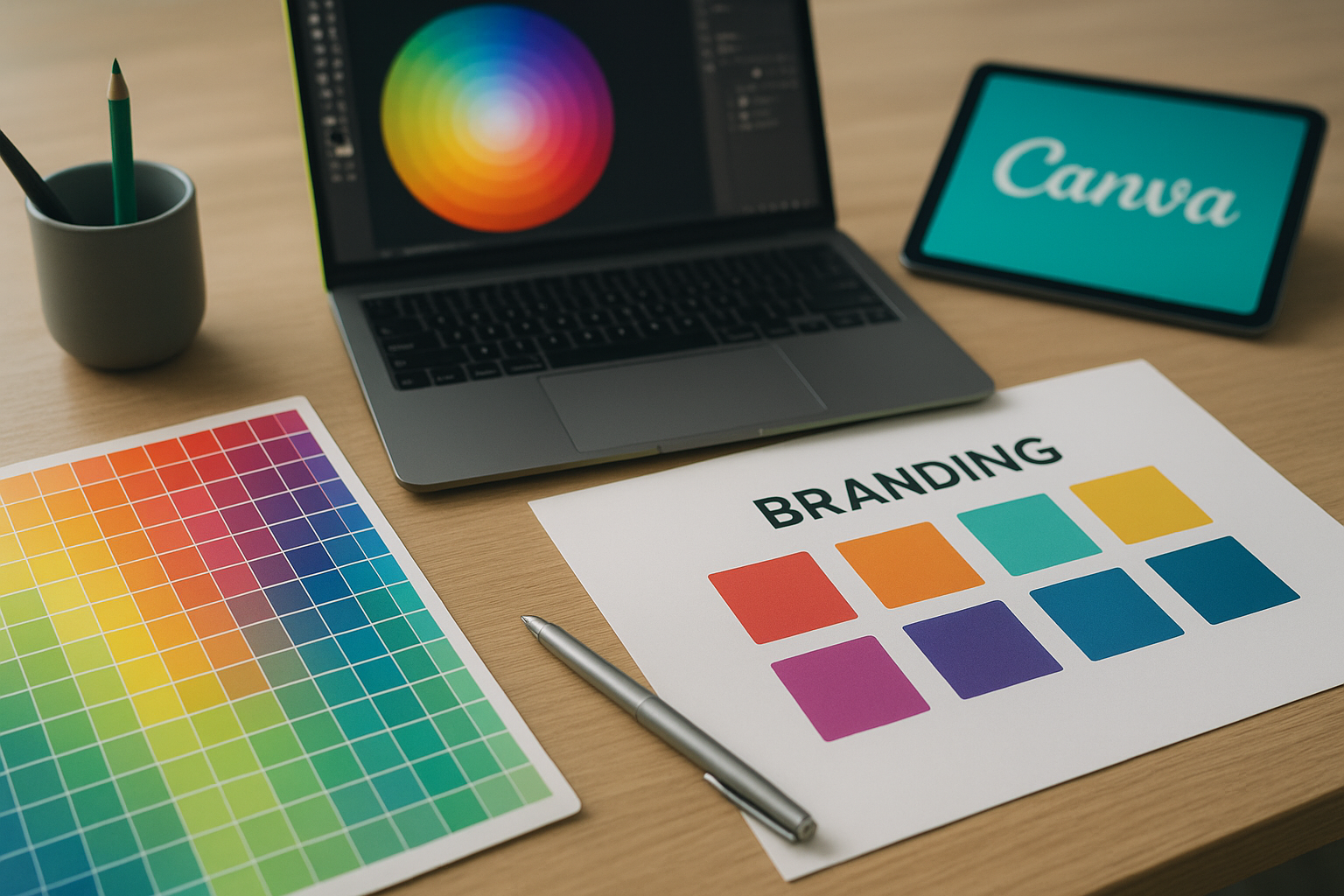
Color can evoke emotions and dictate how users perceive a brand. In 2023, we see a move toward softer hues and vibrant gradients. Companies like Spotify leverage bold color schemes to create eye-catching user interfaces.
Popular Color Palettes
- Soft Pastels: Offer a calming effect.
- Vibrant Gradients: Create a dynamic look, often used in backgrounds.
- Monochromes: Timeless and professional, suitable for luxury brands.
Easy User Experience Improvements
Designing with user experience (UX) in mind can drastically enhance engagement. Here are a few tips:
- Implement intuitive navigation and clear calls-to-action.
- Use whitespace effectively to improve readability and focus.
- Incorporate feedback mechanisms like rating systems to gather user input.
Interactive Elements in Modern Design
Today’s users appreciate interfaces that respond to their actions. Incorporating interactive elements like hover effects, animations, and micro-interactions can create a more engaging experience. For instance, websites featuring parallax scrolling not only look impressive but also draw users into the narrative.
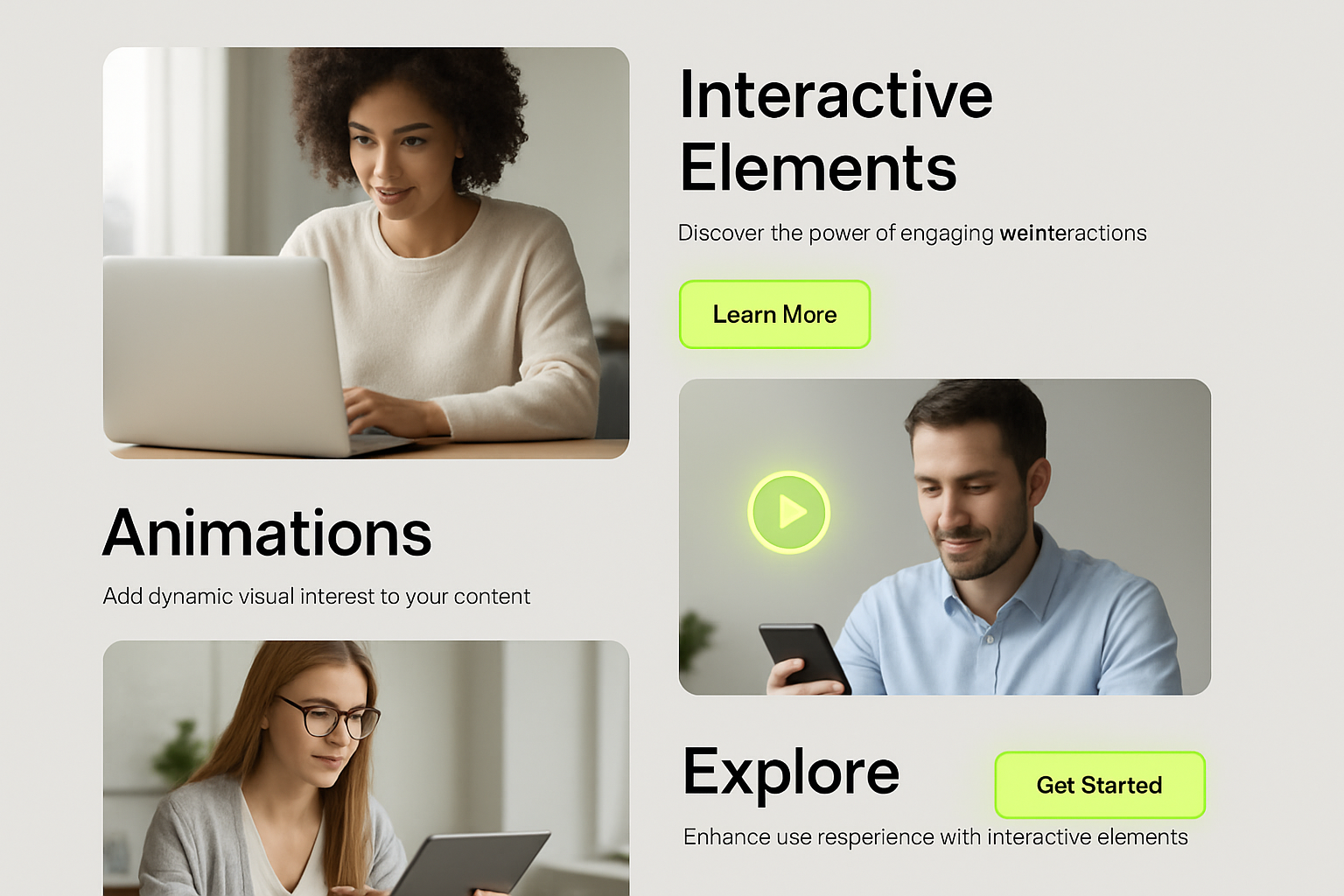
Types of Interactive Features
- Micro-Interactions: Small animations that provide feedback, such as button animations.
- Scroll-triggered Effects: Engaging designs that change as users scroll.
- Gamification: Integrating elements of gaming into web experiences to boost engagement.
Latest Tools for Web Designers
To stay competitive, web designers must familiarize themselves with the latest tools that streamline the design process.
- Figma: A web-based design tool promoting collaboration.
- Webflow: Combines design with code without sacrificing customization.
- Adobe XD: Offers robust prototyping features that enhance creativity.
Comparison of Design Tools
| Tool | Features | Best For |
|---|---|---|
| Figma | Collaboration, Prototyping | Team Projects |
| Webflow | Custom Code, Visual Design | Individual Creators |
| Adobe XD | Prototyping, User Testing | UX Designers |
Case Studies of Trendy Websites
Analyzing successful websites can provide insights into effective design strategies. For example, the website for Airbnb uses bold imagery and user-friendly navigation, which significantly enhances UX, leading to increased bookings.
Notable Websites to Review
- Apple: Simplicity and functionality in design.
- Dropbox: Focused on clear communication via minimalist design.
- Slack: Interactive elements that engage users from the get-go.
Future Predictions for Web Design
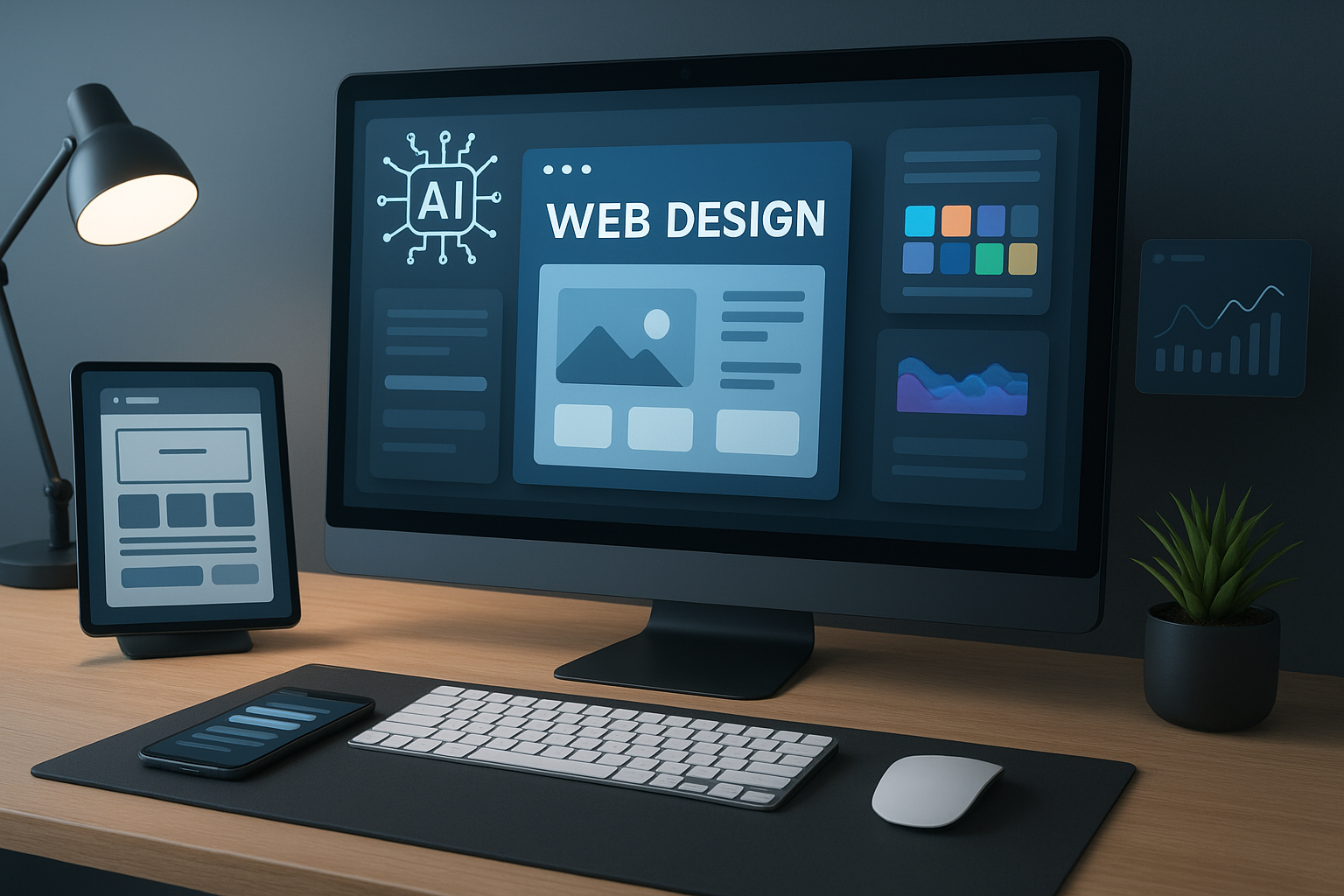
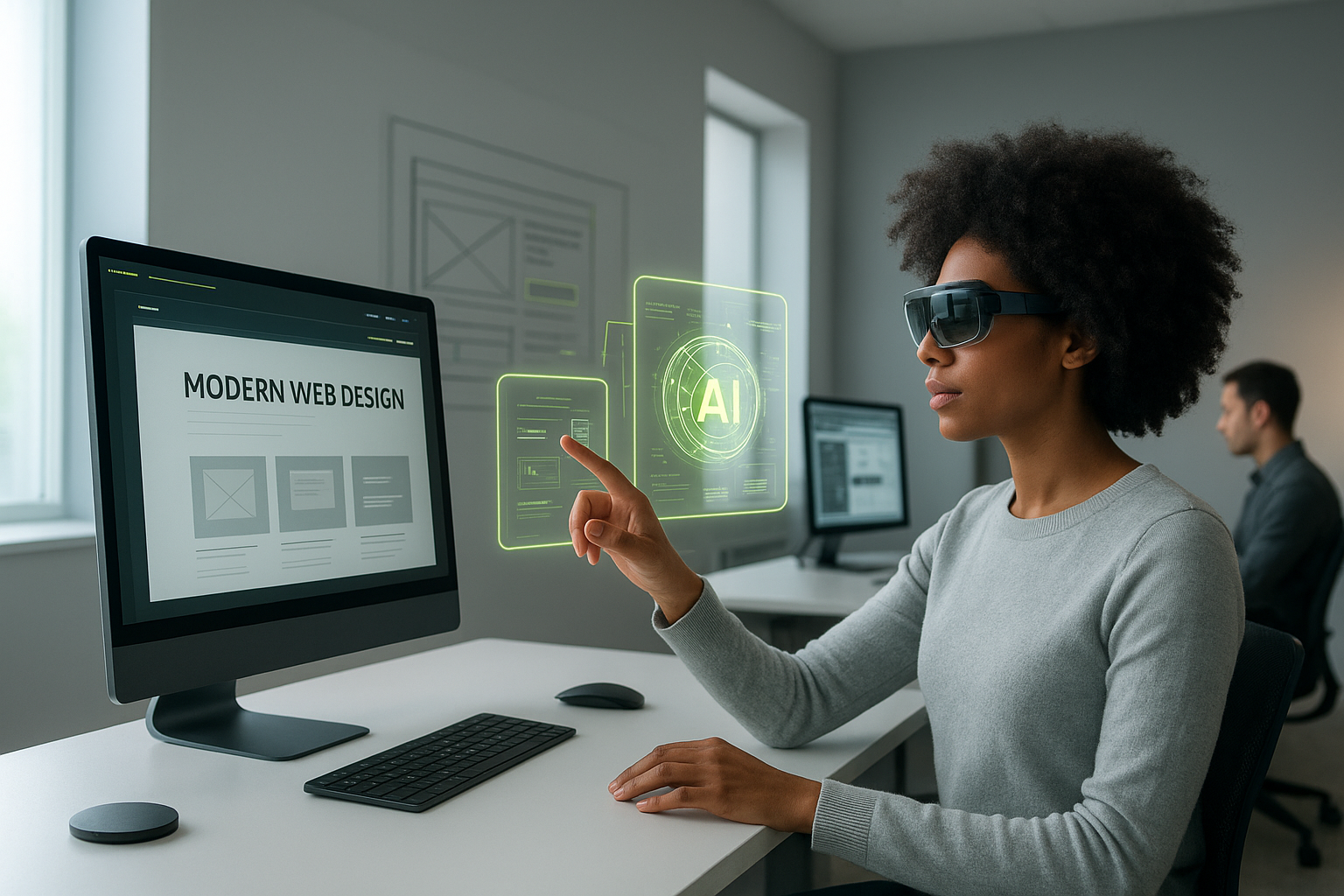
As technology continues to evolve, the future of web design will likely be shaped by innovations like artificial intelligence and advanced data analytics. Predictive analytics will personalize user experiences, making websites more responsive to individual preferences.
Potential Developments
- AI-Driven Design: Tools that adapt designs based on user interaction data.
- Augmented Reality (AR): Integrating AR for enhanced user engagement.
- Sustainable Design Practices: Focusing on environmentally friendly web hosting and energy-efficient coding.
Conclusion
Understanding website design trends is crucial for anyone aiming to stand out online. By focusing on responsive designs, current color palettes, and innovative interactive features, you can create a site that captivates users. Integrating modern design tools can streamline your workflow and ultimately enhance your online presence. If you’re ready to elevate your website, don’t hesitate to connect with a local expert for personalized assistance.
Frequently Asked Questions
- What are the current website design trends?
Current trends include minimalism, bold typography, responsive layouts, and interactive elements aimed at enhancing user experience.
- How do I keep up with web design trends?
Following design blogs, participating in online communities, and attending webinars can help you stay updated with the latest trends.
- What is the most popular web design style?
Minimalism remains a popular choice, as it emphasizes clarity and functionality.
- How can I create a trendy website?
Embrace responsive design, utilize modern typography, and incorporate engaging interactive elements.
- What colors are popular in web design now?
Trendy palettes include soft pastels, vibrant gradients, and monochrome themes that create strong visual impressions.
- What are UX design trends for 2023?
Focus on user-centered designs, easy navigation, and personalization are key UX trends this year.
- How important is website speed in design?
Website speed is crucial for user engagement and SEO rankings; slow sites can negatively impact both.